
Healing After an Affair

Healing After an Affair: Gottman’s “Atone, Attune, Attach” Model

Discovering that your partner has been unfaithful – or realising the damage your own choices have caused – can feel like the ground has disappeared beneath you. Many couples I work with arrive in this place utterly overwhelmed, unsure whether their relationship can survive and feel lost with what to do next to move forwards.

If both in the couple want to find a way to recovery, recovery is possible. It is not quick, and it is not easy, but many couples do come through an affair with a relationship that is more honest and more connected than it was before.

One of the most helpful frameworks I draw on in couples work is Dr John Gottman’s model for rebuilding trust after betrayal, often described as three phases:

**Atone, Attune, and Attach**

Gottman’s research has followed couples who successfully recovered from infidelity, and it found that healing tends to move through these three overlapping stages. I want to share a little about what each one involves, because understanding the shape of the road ahead can make it feel a little less frightening to walk.

It is rarely a straight line

Before I go into the three phases, it is important to say each couple will move through Atone, Attune and Attach in accordance to their relationship and its patterns. We are all unique and will approach this pathway to recovery in our own way. For example, you might feel steady one week and be back in raw pain the next. This is not a failure or a sign you not are doing it right – it is simply how healing from betrayal often goes. Most couples I see move backwards and forwards between these stages many times before they find solid ground again.  Trust the process.

Phase One: Atone

This is usually the hardest phase, and it is where the work of rebuilding safety begins. The partner who was unfaithful needs to take full responsibility for what happened:

      • without defensiveness
      • without minimising
      • without shifting any blame onto their partner.

This often means ending all contact with the affair partner, answering difficult questions honestly, and offering transparency in a way that helps rebuild a sense of safety, for as long as it’s needed.

Meanwhile, the hurt partner needs space to feel and express their pain

      • the shock
      • the grief
      • the anger – without being rushed through it.

It is very common for the same questions to come up again and again in this phase. That is not a setback; it is simply part of how the mind processes something so destabilising.

Atonement lays the foundation. Without genuine accountability here, it is very difficult for the next two phases to take root.

Phase Two: Attune

Once a degree of safety has been re-established, the focus shifts towards emotional connection. Attunement is about genuinely wanting to understand your partner’s inner world – their fears, their needs, their experience – even when what they share is painful to hear.

In sessions, I often encourage couples to build small, regular habits of checking in with one another: a few honest minutes each day where you share how you are really feeling, using “I” statements –

“I feel…” rather than “you always…”

Listening to understand, rather than to respond, is a skill and like any skill, it strengthens with practice. This is also where couples often start creating new, positive shared experiences that are not overshadowed by the affair.

Phase Three: Attach

The final phase is about rebuilding closeness – emotionally and physically – and forming a renewed sense of “us.” This includes restoring physical intimacy, but only at a pace that feels genuinely safe for both partners, with open conversation about needs and boundaries along the way.

It is common for intrusive thoughts or old fears to resurface during intimate moments, even once a couple feels they have made real progress. This is a normal part of healing, not a sign that something is wrong. Couples in this phase often find it helpful to create small new rituals together – a weekly date night, a nightly check-in – that help build fresh memories and a renewed sense of partnership.

A gentle reminder

There is no fixed timetable for this work. Meaningful healing after betrayal often takes a year or more, and that is completely normal. What matters far more than speed is consistency – small, honest steps taken again and again, on both sides.

If you and your partner are trying to find your way back to each other after an affair, please know that you do not have to do this alone. Couples counselling can offer a safe, structured space to work through each of these phases at a pace that feels right for you both. If this is something you are facing, I will be glad to talk with you about how I can support you. You can get in touch via the contact page to arrange a first session. Taking that first step is brave, and you don’t have to do it alone.


Caroline Ellison Accredited BACP Counsellor & Psychotherapist www.carolineellisoncounselling.co.uk Fleet, Hampshire | 07818 798597

This blog was collated from internet sources for information by a counsellor in Fleet, Hampshire – Caroline at Caroline Ellison Counselling – this is my experience and these are my opinions. Carpe Diem.
Grief 3 months after a Traumatic Death

Grief 3 months after a Traumatic Death

Three months after a traumatic death, grief can be particularly intense and prolonged, potentially leading to complicated grief or prolonged grief disorder. Symptoms like intense sorrow, difficulty accepting the death, and difficulty enjoying life may persist or worsen, requiring support and professional intervention if they don’t improve.

  • Complicated Grief:

This occurs when grief symptoms persist or worsen beyond the initial stages, hindering the healing process. It can manifest as intense pain, difficulty accepting the loss, and a persistent focus on the deceased.

  • Prolonged Grief Disorder:

This is a formal diagnosis characterized by persistent and intense grief symptoms that interfere with daily life, including difficulty accepting the death, marked sense of disbelief, and avoidance of reminders of the deceased.

  • Signs and Symptoms:

Beyond intense sorrow, individuals experiencing trauma-related grief may also experience:

    • Difficulty accepting the death
    • Persistent longing for the deceased
    • Numbness or detachment
    • Bitterness or anger
    • Feeling life holds no meaning
    • Lack of trust in others
    • Inability to enjoy life
    • Physical symptoms like fatigue, changes in sleep or appetite
  • Factors Influencing Grief:

Traumatic deaths, like those involving violence or sudden accidents, can intensify grief, making it more challenging to cope. Additionally, factors like social support, cultural background, and pre-existing mental health conditions can also impact the grieving process.

  • Seeking Support:

It’s crucial to seek professional help if grief symptoms persist or worsen, or if they interfere with daily life. Therapists can provide support and guidance in navigating the grieving process, including techniques for managing intense emotions and developing coping strategies.

I am a Specialist Bereavement and Grief Counsellor in Fleet, Hampshire working in person and online counselling and offer a safe, supportive space for clients experiencing grief and loss through bereavement.

Contact me to book an initial session and I will support you through this difficult time.

For additional links please visit this page https://www.carolineellisoncounselling.co.uk/grief-counsellor/ to find a comprehensive list of charities who may be able to support you.

Collated by your local counsellor in Fleet, Caroline at Caroline Ellison Counselling.

Caring and Help

Caring and ‘Help’

It is dark and as the sun slowly starts to rise, the song thrush sings from the distance. I am at my Dads’ house. Last night he called with the first middle of the night ‘help’. He was having heart issues which he felt were like a heart attack and he sounded scared. “I need some help with this” he stated as the Doctor in him rationalised what might be happening. I packed a bag, kissed my husband and drove 2 hours to be with him. When I arrived the Ambulance was just leaving with Dad not in it. He was well enough to not go to hospital but needed to see his GP the next day. As a non medic I questioned this but was assured by the amazing Ambulance crew that he was OK, for now. [Since writing this he has been checked by a Cardiologist and is OK still, for now]

Dad’s Fragility

This is the first time Dad has shared his fragility with me. He is 83 and has been caring for Mum for the last 10 years, she has Dementia. He is exhausted! It is so hard for anyone caring for a loved one as they are on call 24 hours a day and it is relentless. The despair of the future sits in the living grief and the isolation of their day to day demands often leaves carers lonely with a loss of their own joi de vive. The only true respite will come when the one they love dies and that is the not the respite they look forward to or want!

Caring for his Wife

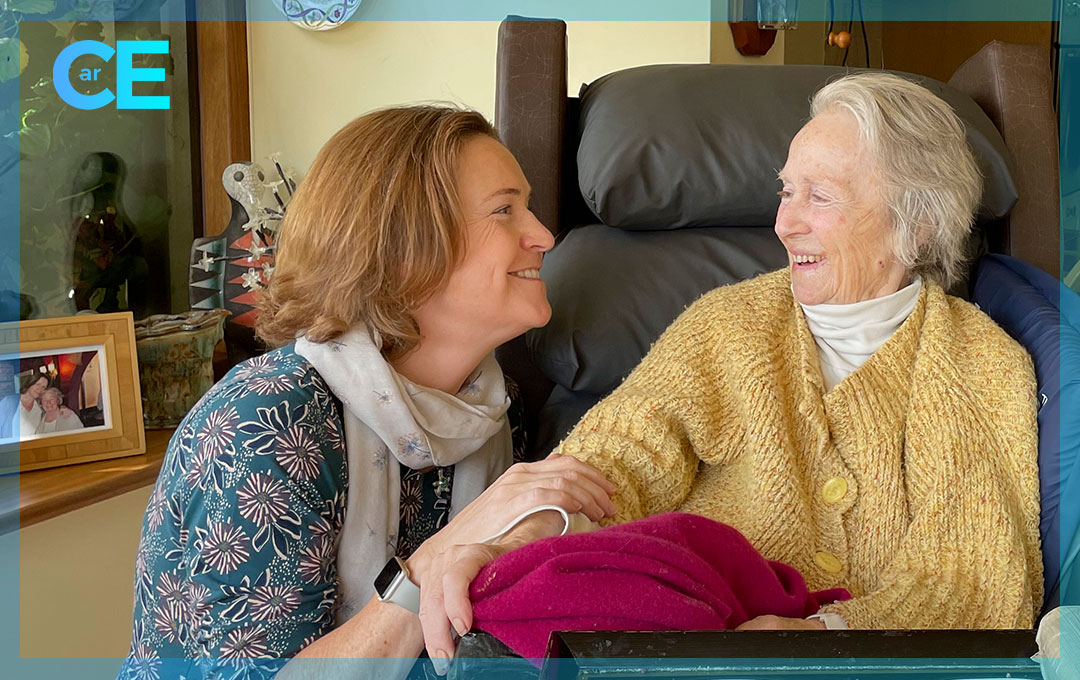
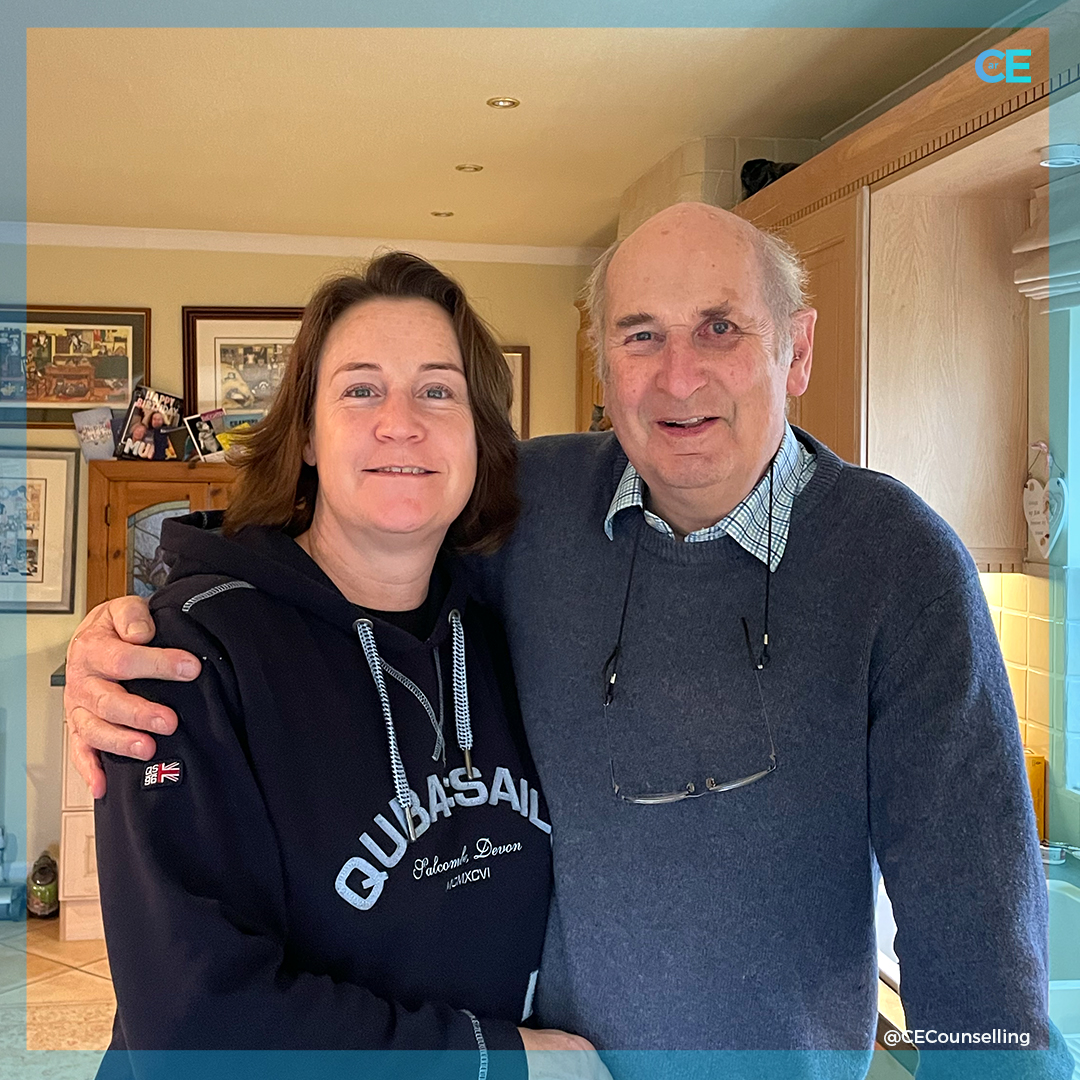
Sitting in the sun room next to my incognisant Mum, I reflect on the stark reality of Dad’s life as he cares for Mum 24/7. I look at Mum and wonder if she even knows I am in the room, she rarely opens her eyes now and we do wonder how much vision is left behind what were once vibrant piercing blue eyes. Dad potters around the kitchen making protein smoothies with fresh fruit he bought from the shop this morning with his daily paper. He spoon feeds his wife so gently and calmly, wipes her face and makes sure she is still sitting upright. She is propped up on both sides as her muscles have weakened so much that she is no longer able to sit up without the support. It is so heartening and so utterly sad to see!! Dementia is a long, slow, cruel illness which affects not just the one with it but all those around. My Dad has lost his wife but he has also lost his freedom to live out their retirement together. He is isolated in his care giving and love to Mum. He never complains and I do wonder how much of the sadness I feel he hides beneath the veneer of his smile. I doubt I will ever know as Dad is a stoic and proud man.

Carers are the unsung heroes

Caring for a loved one is relentless, often thankless and usually exhausting. I have witnessed the way caring can take all the energy and light out of Dad and others I have worked with through counselling. Carers are the unsung heroes, the ones who keep on going because they have to, the ones who get forgotten in the midst of the illness of the one they are caring for.

Support for Carers

If you visit a loved one who is ill and being cared for please make time for the carer as it will be them who need your support, empathy, sympathy, time and conversation so much more I expect than the one they are caring for. Ask the carer if they are OK, if they want some respite, if there is anything you can do which will be of support for them. If you can spare a few hours, ask them if they want to go out and be free of their caring for a few hours whilst you cover for them. It is the little offerings which make a big difference to carers. Don’t lose sight of their needs in the fog of the illness of the one they are caring for. Also, in my experience, carers will be the last ones to ask for help but the first ones who need it to be offered!!

Massive Thank you

To finish this blog I want to say a massive thank you to Dad and all the wonderful people who go out of their way every day to make the lives of others better, richer, more comfortable and enable the ones who they care for to be OK for another day. They literally could not do it without you.

Take time when you can to take care of you too.

Written by your local counsellor in Fleet, Caroline at Caroline Ellison Counselling – this is my experience and these are my opinions. Carpe Diem.
Alzheimer’s and Dementia support

If you are an Alzheimer’s and Dementia carer, you are not alone, there are many people who are here to support you. There are helplines and support groups who will offer support, below are some of those who can offer expert advice. I specialise in Counselling for Carers and counselling for Alzheimer’s and Dementia and am here to support you.

After a diagnosis of dementia: next steps – This checklist has been written by dementia specialist Admiral Nurses, to help in the early days after you or your family member has received a diagnosis of dementia.
Website: Steps to take after diagnosis of Dementia

Alzheimer’s Society
Provides information on dementia, including factsheets and helplines.
Phone: 0333 150 3456 (Monday to Friday, 9am to 5pm and 10am to 4pm on weekends).
Website: www.alzheimers.org.uk

Talking Point, on-line dementia and their carers: foum.alzheimers.org.uk  

Alzheimer’s Research UK
The leading dementia and Alzheimer’s disease research charity.
Phone: 0300 111 55555
Website: https://www.alzheimersresearchuk.org/

Alzheimer’s Association
Lots of information on their site with links. They strives to improve quality of life for those facing Alzheimer’s disease and other dementias.
Website: https://www.alz.org/uk/dementia-alzheimers-uk.asp

Alzheimer Café UK
Website UK: http://www.alzheimercafe.co.uk/
Website Farnborough: http://www.alzheimercafe.co.uk/Farnborough.htm

Carer’s allowance
If you’re caring for someone with dementia, you may be entitled to certain benefits. This page will tell you if you’re entitled to Carer’s allowance: https://www.alzheimers.org.uk/get-support/legal-financial/carers-allowance

Carer Support and Dementia Advice Service for Hampshire 
Provides advice, information and support to all carers aged 18 and above who provide care for an adult. The service also supports people with dementia and memory problems and is available throughout Hampshire.
Phone: 01264 332297
Email: enquiries@andovermind.org.uk

Care Choices
Committed to helping people who need information on social care and support. Find the Care Home or Care Solution that’s best for you – get information, guidance and reviews. Phone: 01223 207770 Website: https://www.carechoices.co.uk/

Dementia Guidance
An independent dementia guide intended to provide a guide to free services available throughout the UK to people with dementia and their families.
https://www.dementiaguidance.co.uk

Dementia Friendly Hampshire
An independent charity, working to make Hampshire a county where people affected by dementia can live a good life.
Phone: 07388 668332
Email: jane.ward@dementiafriendlyhampshire.org.uk
https://dementiafriendlyhampshire.org.uk/

Dementia Friendly Hampshire – Advice and Information
This is a helpful list of things people who have dementia need to consider having in place.
Website: https://dementiafriendlyhampshire.org.uk/advice-and-info/

Dementia Talking Point – Alzheimer’s UK online community. Have you or someone you know been diagnosed with dementia? Join Dementia Talking Point to share experiences with other people affected by dementia.
Website: https://www.alzheimers.org.uk/get-support/dementia-talking-point-our-online-community

Find a Dementia Café or dementia service near you
Dementia Cafés offer a place to socialise, learn more about dementia and local services, and enjoy something new each session. Follow this link to find your local Café:
Website: https://www.alzheimers.org.uk/get-support/your-support-services/dementia-cafes

Alzheimer’s Drug Discovery Foundation
Website: https://www.alzdiscovery.org/

Brunel Care
Local Charity caring for older people across Bristol, South Gloucestershire, North Somerset and Somerset.
Phone: 0117 914 4200
Website: https://www.brunelcare.org.uk/

DEEP
DEEP stands for the Dementia Engagement and Empowerment Project – it is the UK network of dementia voices. DEEP consists of around 100 groups of people with dementia – groups that want to change things.
Contact Rachel Niblock – UK Coordinator for DEEP network.
Email: niblock@myid.org.uk
Phone: 07720 538851
Website: https://www.dementiavoices.org.uk/

Dementia Action Alliance
Support national and local for dementia support
Website: https://www.dementiaaction.org.uk/ / https://nationaldementiaaction.org.uk/

Dementia Adventure
Charity supporting people with dementia to get outdoors, connect with nature, themselves and their community, and retain a sense of adventure in their lives.
Phone: 01245 237548
Email: info@dementiaadventure.co.uk
Website: http://www.dementiaadventure.com/

Dementia Connect Helpline
Phone: 0333 150 3456
Wales and West Midlands

Dementia UK
Telephone or email advice and support for family carers, people with dementia and professionals provided by experienced Admiral nurses.
Phone: 0800 888 6678
Website: www.dementiauk.org

Royal Airforces Dementia Support
Phone: 0800 018 2361
Email: dementia@rafa.org.uk
Website: https://dementia.rafa.org.uk/

NHS Information
An overview of Alzheimer’s disease. Signs and symptoms of Alzheimer’ disease
Website: https://www.nhs.uk/conditions/alzheimers-disease/

Play List for Life
Charity founded by Sally Magnusson after death of her mother who had dementia. Music for everyone living with dementia which can make it easier and happier
Phone: 0141 404 0683
Email: info@playlistforlife.org.uk
Website: https://www.playlistforlife.org.uk/

The Wide Spectrum
Dementia education resources
Website: http://www.thewidespectrum.co.uk/default.htm

Young Dementia UK
Support for those with early onset dementia. Young Dementia UK have teamed up with Dementia UK.
Dementia Helpline UK: 0800 888 6678
Website: https://www.youngdementiauk.org/

Counselling Directory – https://www.counselling-directory.org.uk/dementia.html

This list is by no means comprehensive so if you know of other support available I will be very grateful if you will let me know so that I can add them to the list for others to find. Email me please. carolineellisoncounselling@gmail.com

What is Shame?

What is Shame?

“I am bad. The focus is on self, not behaviour. The result is feeling flawed and unworthy of love, belonging and connection. Shame is not a driver of positive change.” – Atlas of the Heart – Brene Brown.

Shame is systemic, we feel it in our whole body. Shame is often delivered from our primary carer from infancy to teach us a moral code. It can be constructive, supportive and guiding when used for good. However, Continue reading “What is Shame?”

Being a Counsellor

Being a Counsellor

Before I was a counsellor I had a career as a photographer. Through the lens of a camera I would seek a person’s external beauty and take a photograph with the best light and angle. Portrait and Wedding photography was my trade Continue reading “Being a Counsellor”

Christmas and Dementia

Christmas and Dementia

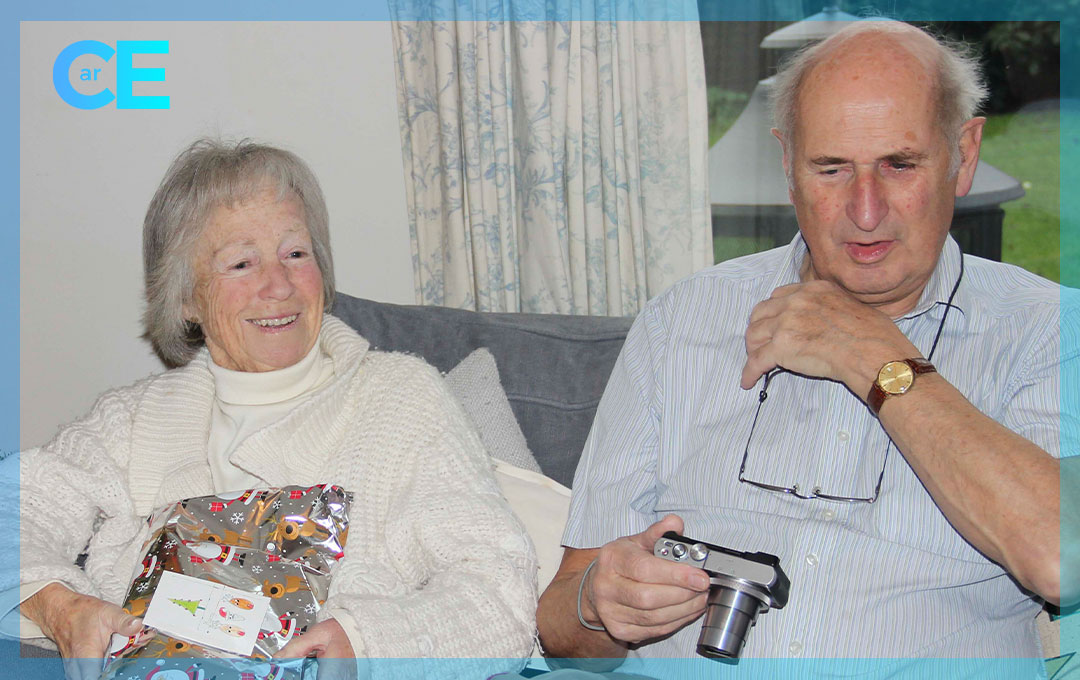
Together Christmas and Dementia do not make good bed fellows. Every Christmas Mum who is living with Dementia is less aware of what is going on. For Mum and Dad, Christmas Day is now very much just another day of the week. They are alone together, Mum unaware of what day it is and Dad filled with nostalgia and sadness Continue reading “Christmas and Dementia”

Christmas 2020 without Family

Christmas

Christmas Home Rituals Isolation Sadness Together Missing Altogether Soon

Christmas feels so different this year and for so many it is hard! Being alone on Christmas day seems to have a weight greater than other days. Remembering a loved one we have lost at Christmas seems to hurt more than other days of the year. Christmas evokes a multitude of emotions from love, laughter and joy to sorrow, sadness and despair. Continue reading “Christmas 2020 without Family”