
The Quiet Power of Kindness and Compassion — In Life and in the Therapy Room
By Caroline Ellison | Caroline Ellison Counselling, Fleet, Hampshire
There’s a moment that happens, quite often, early in a first counselling session. Someone sits down, takes a breath, and says something like: “I feel silly being here – other people have it so much worse than me.”
It breaks my heart a little, every time. Not because it is not understandable – it absolutely is – but because it reveals something so many of us share: a deep reluctance to extend to ourselves the same kindness we would readily offer to anyone else we love.
Kindness and compassion are not soft, optional extras in a well-lived life. They are, I believe, absolutely central to it and they are just as central to meaningful, healing therapy.
What Does Compassion Actually Mean?
Compassion is more than being nice. The word itself comes from the Latin compassio – meaning to suffer with. It’s the willingness to turn towards pain, rather than away from it, and to respond with warmth rather than judgement.
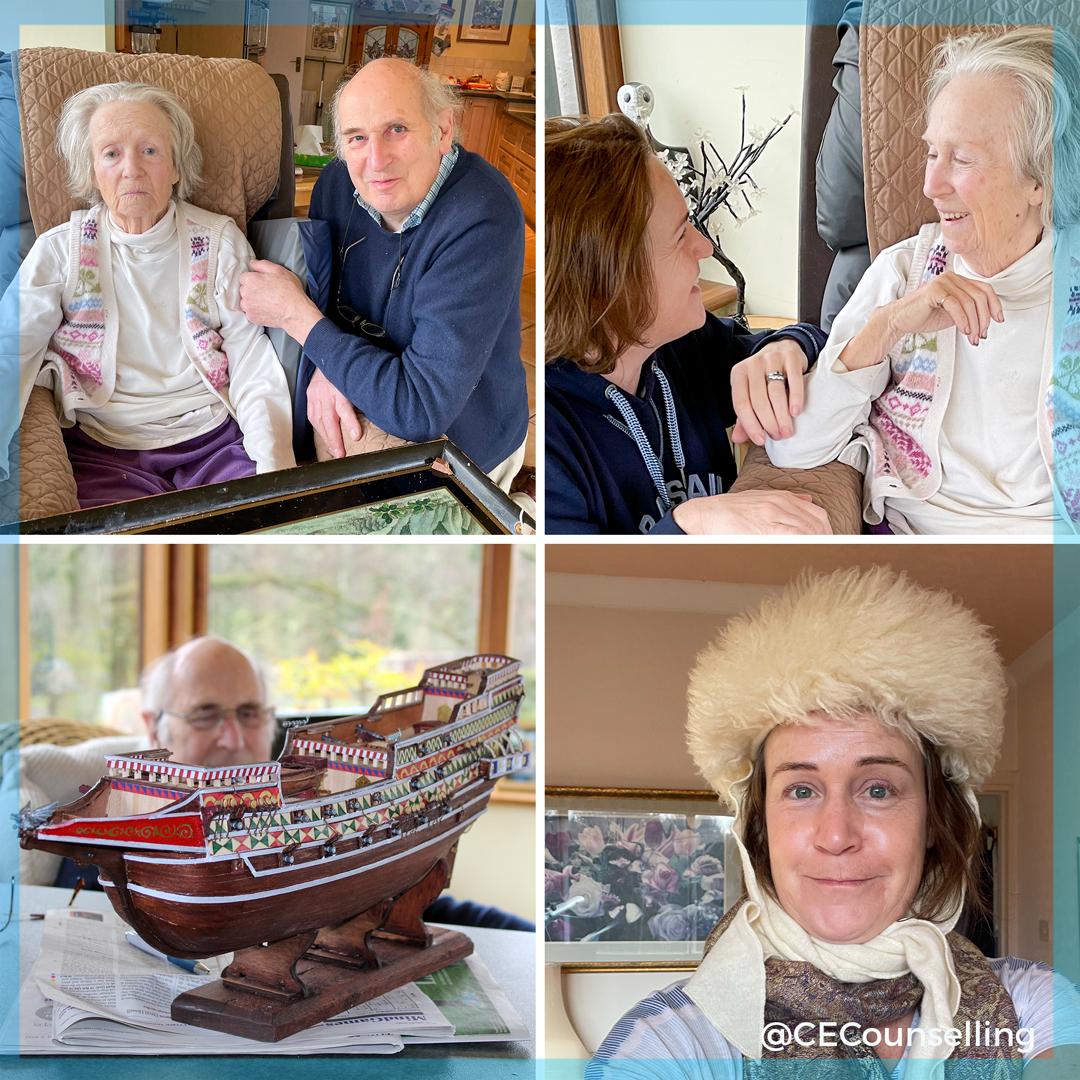
We tend to find this relatively straightforward when someone we love is hurting. A friend going through a bereavement, a partner struggling with anxiety, a child who is frightened – we don’t tell them to pull themselves together. We sit with them. We listen. We let them know they are not alone.
And yet, when we are the ones who are struggling? So many of us switch into a very different mode. We tell ourselves we should be coping better, feeling differently, doing more. We minimise our own pain, dismiss our own needs, and push on – often until we simply can’t any more.
This isn’t a character flaw. It’s something most of us have learned, over many years, and often for very understandable reasons. But it can quietly wear us down.
Why Kindness to Ourselves Matters So Much
Research in psychology and the work of compassion-focused therapists like Professor Paul Gilbert has shown that self-compassion is genuinely transformative. It is not self-indulgence or weakness. In fact, people who are able to be kinder to themselves tend to be more resilient, not less. They recover more readily from setbacks. They are more willing to acknowledge mistakes without being floored by them. They are, often, more compassionate towards others too.
Think of it this way: if you were tending to a garden and one of the plants was wilting, you wouldn’t berate it for not thriving. You would wonder what it needed. More water, perhaps or a little more light, maybe some shelter from the wind.
We are not so different. We flourish with the right conditions and kindness is one of them.
Compassion in the Therapy Room
When someone comes to see me, they bring their whole story, the parts they are proud of, and the parts they feel ashamed of. Often, things they have not spoken about for years or at all. The worries that circle in the small hours and so much more.
My role is not to judge and show unconditional positive regard whilst showing empathy to them. It is to create a space where they feel safe and can talk openly, honestly and without fear.
That is compassion in practice. It means listening without an agenda. It means reflecting back what I hear with warmth and honesty. It means trusting that you are doing your best with what you have and that with the right support, things can shift and change.
Kindness in therapy is not just about being gentle, though. Sometimes compassion means gently challenging a pattern of thinking that is keeping someone stuck. Sometimes it means sitting with a silence because that’s what the moment needs. Sometimes it means saying something that is hard to hear, but that needs to be said because real care includes honesty.
True compassion holds both.
Small Acts, Big Difference
You don’t have to wait for a dramatic life change to start practising more kindness towards yourself or others. It lives in the small moments:
- Pausing before you speak harshly to yourself and asking: would I say this to someone I love?
- Allowing yourself to rest when you are tired, without guilt.
- Reaching out to someone you’ve been thinking of, even with a simple message.
- Noticing when you are struggling and asking for help, rather than pushing through alone.
- Giving yourself credit for what you are managing, not just judging yourself for what you aren’t.
These things may seem small. They are not. Over time, they become the architecture of how you relate to yourself and that shapes everything.
You Deserve Kindness Too
If you are reading this and thinking yes, but, if there is a voice telling you that you don’t quite qualify for compassion, that you need to earn it, that it is for everyone else but somehow not for you – I want to say this directly:
That voice is wrong.
You do not need to have suffered enough, or tried hard enough, or reached some invisible threshold of deservingness. You are human. You are doing your best and you deserve kindness – including from yourself.
That is something I genuinely believe, and it is something I hold at the heart of my work with every single person I see.
A Gentle Invitation
If you are going through a difficult time and feel ready to talk, reach out for support to a counsellor. Counselling is not about being fixed. It is about being heard, understood, and supported with warmth, without judgement, and with all the compassion you deserve.
I would love to hear from you. You can get in touch via the contact page to arrange a first session, or simply to ask any questions. Taking that first step is brave, and you don’t have to do it alone.
Caroline Ellison is an accredited member of the BACP (British Association for Counselling and Psychotherapy), offering individual counselling, EMDR therapy, and couples therapy from her practice in Fleet, Hampshire — in person and online.