
Doom Scrolling and Dopamine: Why We Cannot Stop, and What It is Doing to Us
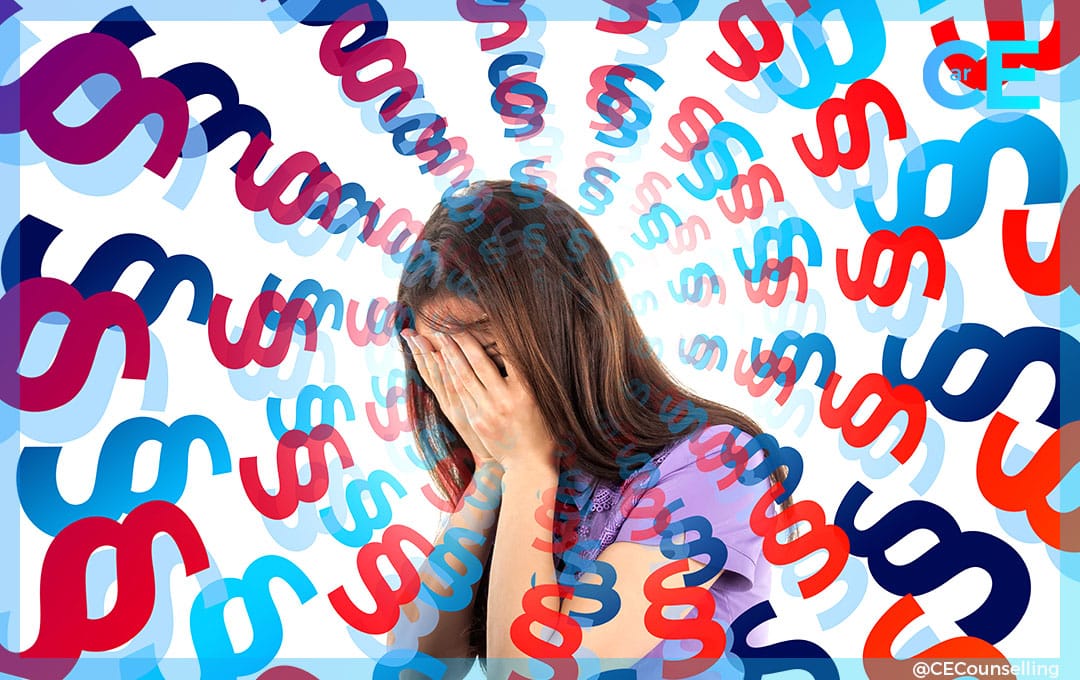
It is late. You told yourself you would put the phone down five minutes ago. Instead, you are still there, thumb moving almost on its own. It is sliding from one grim headline or anxious post to the next. Nothing you are reading is making you feel better – if anything, your chest feels tighter and your thoughts are racing. Yet somehow you cannot quite close the app.
If this sounds familiar, you are not lacking willpower. You are responding exactly the way your brain is designed to respond. Understanding why doom scrolling has such a grip on us is often the first step to loosening it.
What is Doom Scrolling?
Doom scrolling is the habit of compulsively consuming negative or distressing content online – news, social media, or both – well past the point of it being useful or informative. It became a widely recognised term during the pandemic, when many of us were glued to our screens for updates. However, the pattern has only become more entrenched since. It is helped along by apps that are quite literally engineered to keep us scrolling.
How Dopamine actually works
Dopamine gets a lot of press as the “pleasure chemical”, but that is a slight misunderstanding of what it does. Dopamine is not mainly about the enjoyment of getting something – it is about the anticipation of it. It is the neurochemical behind wanting, seeking, and checking, more than the neurochemical of satisfaction itself.
That distinction matters enormously for how apps are built. Every time you open a social media feed or a news app, your brain releases a small hit of dopamine tied to the possibility of something interesting, upsetting, validating, or new. Crucially, you never know in advance what you will find. That unpredictability is the key ingredient. Psychologists call it a “variable reward schedule” – the same mechanism that makes slot machines so compelling. A reward you can predict loses its pull fairly quickly. On the other hand, a reward that might come on this scroll, or the next one, or the one after that, keeps your brain checking indefinitely.
Doom Scrolling and the Amygdala
Doom scrolling adds a second layer on top of this. Distressing or threatening content activates the amygdala, the brain’s alarm system, triggering a stress response – a release of cortisol and adrenaline, the same fight-or-flight chemicals that would once have helped you escape real physical danger. Normally, once a threat passes, your body’s calming system switches back on. But an endless feed of bad news never really “passes.” As a result, one alarming story leads straight into the next, so the stress response never gets the chance to switch off. Meanwhile, the prefrontal cortex – the part of your brain responsible for impulse control and weighing up whether this is actually a good use of your time – becomes less influential the longer this cycle runs.
The result is a strange loop: you scroll partly to soothe anxiety or find reassurance. Yet the scrolling itself keeps generating the very anxiety you are trying to escape.
Why this matters for how we feel
None of this is just an inconvenience. Research increasingly links heavy doom scrolling with worse overall mental health and lower life satisfaction. People who do it frequently report more irritability, disrupted sleep, and mental fatigue. They also experience a heightened risk of anxiety and depressive symptoms. There are physical knock-on effects too – headaches, muscle tension, and elevated stress in the body – plus the more indirect costs: less time moving, less time outdoors, less time genuinely connecting with the people around you.
Perhaps most frustrating is that doom scrolling rarely delivers what we are actually looking for. We tend to scroll hoping to feel more informed, more in control, or less alone with a worry. However, it usually leaves us feeling more anxious, not less.
Working with your Brain, not against it
Because this pattern is built into how dopamine and stress systems work, “just stop” is rarely realistic advice. A few gentler, more effective places to start:
-
- Add friction. Move news and social apps off your home screen, turn off non-essential notifications, or set a daily time limit. Small barriers matter more than they seem to.
- Give anxiety a container. Instead of checking sporadically all day, pick one or two set times to catch up on news, and let yourself close the app once you have.
- Notice the urge without acting on it immediately. Even a 30-second pause before opening an app can be enough to interrupt the automatic loop.
- Curate deliberately. Unfollow or mute accounts that consistently leave you feeling worse, and notice which sources leave you feeling informed rather than depleted.
- Replace, do not just remove. Have something to reach for instead – a short walk, read a book, a few minutes of stretching, a text to a friend – so the urge to scroll has somewhere else to go.
If it feels bigger than a habit
For some people, doom scrolling is tangled up with something deeper – ongoing anxiety, low mood, difficulty tolerating uncertainty, or a nervous system that is been on high alert for a long time. If that sounds like you, it is not a sign of weakness. Additionally, you do not have to untangle it alone. In counselling, we can look at what the scrolling is really doing for you – what it is soothing, avoiding, or trying to control. Together, we can build a more sustainable way of relating to anxiety, news, and rest.
If you would like some support with this or other things, please get in touch to arrange an initial counselling session – carolineellisoncounselling@gmail.com
Caroline Ellison Accredited BACP Counsellor & Psychotherapist www.carolineellisoncounselling.co.uk Fleet, Hampshire | 07818 798597
This blog was collated from internet sources for information by a counsellor in Fleet, Hampshire – Caroline at Caroline Ellison Counselling – this is my experience and these are my opinions. Carpe Diem.
Sources:
This article has been created with the help of AI and is grounded in the science in current sources (Harvard Health, American Brain Foundation, Psychology Today, and a 2025 academic review on “dopamine-scrolling”)
-
- Doomscrolling dangers – Harvard Health
- Doomscrolling and Its Effects on the Brain – American Brain Foundation
- The Dangers of Doom Scrolling – Psychology Today
- The Neuroscience Behind Doomscrolling – Psychologs
- Dopamine-scrolling: a modern public health challenge requiring urgent attention – Sharpe & Spooner, 2025