
Seasonal Affected Disorder and how to manage it
Seasonal Affective Disorder (SAD) is a type of depression which is can be experienced during the shorter days which are in the Autumn and Winter months. The days have less natural sunlight which is why we refer to them as being shorter.
Why do shorter days evoke SAD?
As the days are shorter we experience changes in light exposure. Which is believed to disrupt the body’s internal clock and lead to imbalances in certain neurotransmitters, such as serotonin and melatonin. SAD is more common here in the UK due to the long, dark winters.
What are the symptoms of SAD?
The symptoms of SAD can vary in severity but often include:
- Persistent low mood or sadness.
- Fatigue and low energy.
- Difficulty concentrating.
- Changes in appetite, often with cravings for carbohydrate-rich foods.
- Oversleeping or difficulty sleeping.
- Weight gain.
How to support SAD symptoms
If you suspect that you or someone you know is experiencing SAD, here are some strategies to help support and manage it:
- Light Therapy: Light therapy, or phototherapy, is a common treatment for SAD.. Use a light therapy box that emits bright light (10,000 lux) to simulate natural sunlight. Aim for 20-30 minutes each morning. These special lights can help alleviate symptoms.
- Outdoor Exposure: Try to spend more time outdoors during daylight hours, even on overcast days. Take walks, go for a run, or engage in other outdoor activities to increase your exposure to natural light. It is recommended that we spend at least 20 minutes a day outside to support our mental health.
- Diet and Exercise: Maintain a healthy diet and regular exercise routine. Eating well and staying physically active can help boost your mood and energy levels. If possible, aim for at least 30 minutes of physical activity most days of the week.
- Limit Alcohol and Caffeine: Reducing intake can help stabilize mood and energy levels.
- Supplements: Some people find relief from SAD symptoms by taking vitamin D supplements, due to the connection between vitamin D deficiency and SAD.
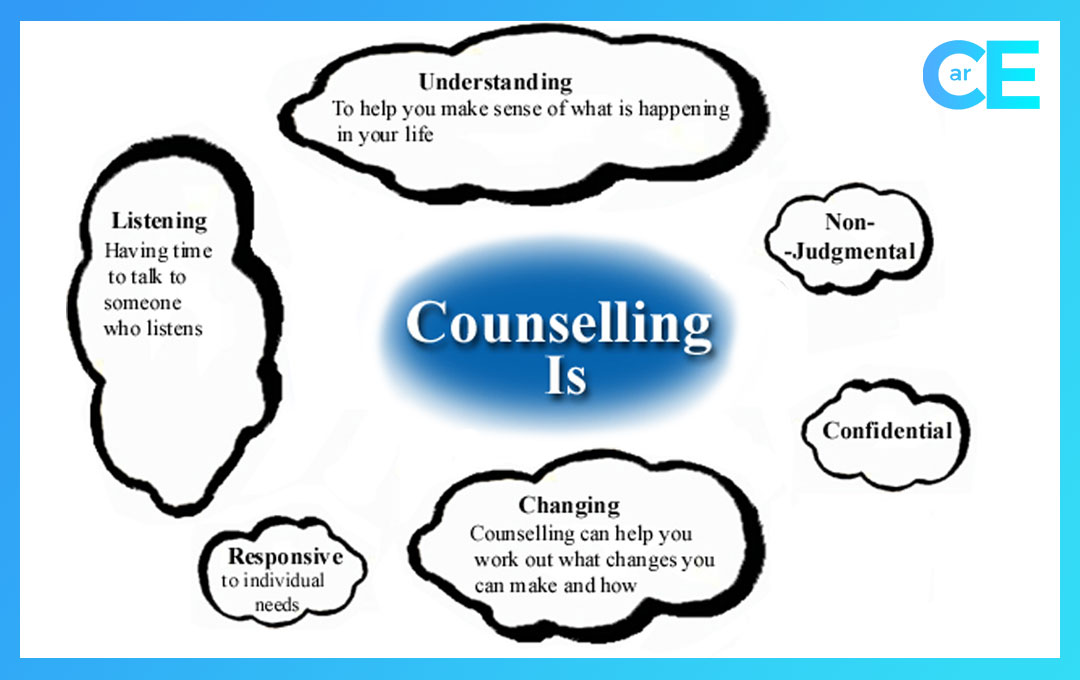
- Counselling and Psychotherapy: Talking with a counsellor can be effective in supporting and managing SAD. It can help individuals develop coping strategies and address negative thought patterns.
- Medication: In some cases, a doctor may prescribe antidepressant medication to help manage SAD symptoms. This is usually considered when other treatments are not effective.
- Mindfulness and Stress Reduction: Practicing relaxation techniques, meditation and mindfulness can help reduce stress and improve your overall mood.
- Maintain a Routine: Stick to a regular schedule to help regulate your body’s internal clock. This includes consistent wake and sleep times.
- Seek Professional Help: If your symptoms are severe or persistent, it is important to consult a mental health professional or a general practitioner (GP) who can help determine the most appropriate treatment plan for you.
- Supportive Social Network: Talk to friends and family about how you are feeling. Their support can be invaluable during this time.
SAD is real and treatable
Remember that SAD is a real and treatable condition and seeking professional help is an important step if you or someone you know is struggling with it. Implementing these strategies can help manage symptoms and improve quality of life during the shorter days. If you’re struggling, it’s always a good idea to seek professional advice. You can start by consulting your GP or a mental health specialist to discuss your symptoms and explore treatment options tailored to your specific needs.
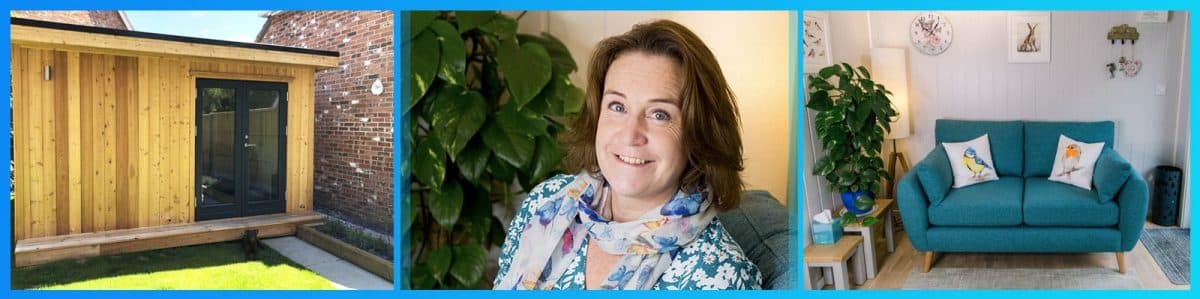
For individual counselling I am here for you. Contact me to book an initial session and I will support you.
If you are in crisis and want immediate support please call the Samaritans who offer a free 24 hour helpline – Phone: 116 123 – Website: www.samaritans.org
Helpful Contacts
Anxiety UK – can provide advice and support for people living with anxiety, which may be related to SAD.
Helpline: 03444 775 774
Text service: 07537 416 905
Website: https://www.anxietyuk.org.uk
CALM – The Campaign Against Living Miserably CALM is another organisation that provides listening services, information, and support for anyone who needs to talk, including a web chat service.
Telephone: 0800 58 58 58
Website: https://www.thecalmzone.net
Depression UK – is a self-help organisation made up of individuals and local groups that can provide support and information related to depression, which is a common symptom of SAD.
Website: https://www.depressionuk.org
Rethink – Rethink Mental Illness provides support and information for anyone affected by mental health problems, including local support groups.
Telephone: 0808 801 0525
Website: https://rethink.org
Written by your local counsellor in Fleet, Caroline at Caroline Ellison Counselling – this is my experience and these are my opinions. Carpe Diem.