Menopause and how it affects the Brain and Anxiety

Lowering Oestrogen levels in women and how it affects the brain and anxiety

There is a lot of information about perimenopause and ‘the change’ out there which can be helpful and in the case of a menopausal brain, sometimes overwhelming. With the help of ‘AI’ I wanted to post some salient facts which I hope will help you understand what may be going on.

Lowering oestrogen in women commonly increases risk of anxiety and alters brain function – especially during rapid declines (perimenopause, surgical menopause). The effects vary by age, individual vulnerability, and how quickly levels fall.

Key brain mechanisms

  • Serotonin system:
    • Oestrogen upregulates serotonin synthesis, receptor expression, and transporter function. Lower oestrogen → reduced serotonergic tone, which can increase anxiety and mood symptoms.
  • GABAergic inhibition:
    • Oestrogen modulates GABA (brain’s primary inhibitory system). Loss of oestrogen can reduce GABAergic regulation, increasing neural excitability and anxious arousal.
  • HPA axis / stress response:
    • Oestrogen normally buffers stress reactivity. Low oestrogen → exaggerated cortisol responses and prolonged stress signalling.
  • Amygdala / prefrontal cortex balance:
    • Reduced oestrogen is associated with greater amygdala reactivity to threat and weaker prefrontal regulation, promoting anxiety and impaired emotion regulation.
  • Neuroplasticity and neurotrophic support:
    • Oestrogen promotes BDNF and synaptic plasticity (hippocampus, prefrontal cortex). Declines can impair cognitive flexibility and increase vulnerability to mood/anxiety symptoms.
  • Neuroinflammation:
    • Lower oestrogen may increase pro-inflammatory signalling that can affect mood and cognition.

Clinical patterns and evidence

  • Perimenopause (fluctuating then falling oestrogen) is a high-risk window for new or worsened anxiety and depression.
  • Surgical menopause (oophorectomy) or abrupt treatment-induced menopause produces more pronounced mood/anxiety effects than gradual decline.
  • Many women report worry, panic symptoms, irritability, sleep disturbance (which itself worsens anxiety), and cognitive complaints (concentration, memory).
  • Not all women develop anxiety – risk is higher with prior mood/anxiety disorder, stressful life events, poor sleep, or lack of social support.

Implications for management

  • Hormone replacement therapy (HRT) can reduce vasomotor symptoms and often improves mood/anxiety for many women when started appropriately; benefits vs risks depend on age, timing, and medical history.
  • Antidepressants (SSRIs/SNRIs) can treat anxiety symptoms and are often effective during perimenopause/menopause.
  • Counselling / Psychotherapy for anxiety, sleep interventions, exercise, and addressing lifestyle factors (sleep, caffeine, alcohol) help substantially.
  • If symptoms are new, severe, or disabling, evaluate with a clinician to rule out other causes and to discuss HRT risks/benefits and psychiatric treatment options.

Behavioural strategies for anxiety and menopause-related symptoms

  • Sleep hygiene:
    • Regular sleep schedule, cool bedroom, limit screens before bed, avoid heavy meals/caffeine/alcohol near bedtime. Treat hot-flash-related sleep disruption (layered bedding, fan).
  • Therapy for insomnia such as Cognitive-behavioural (CBT-I) techniques:
    • Stimulus control, sleep restriction, relaxation.
  • Counselling / Pshychotherapy for anxiety:
    • Cognitive restructuring, exposure for panic/avoidance, worry-management, problem-solving.
  • Relaxation and mind-body:
    • Progressive muscle relaxation, diaphragmatic breathing, mindfulness meditation, guided imagery. Short daily practice (10–20 min) reduces physiological arousal.
  • Exercise:
    • Regular aerobic exercise (150 min/week moderate) and resistance training; helps mood, sleep, and overall health.
  • Weight, diet, caffeine, alcohol:
    • Maintain healthy weight; reduce caffeine and alcohol if they trigger anxiety or hot flashes.
  • Social support and stress management:
    • Peer groups, counselling, time-management, and reducing chronic stressors where possible.
  • Behavioural strategies for hot flashes:
    • Layered clothing, portable fans, paced breathing, avoiding triggers (hot drinks, spicy food, alcohol).

Benefits of Counselling / Psychotherapy for anxiety in perimenopause

  • Combined approach:
    • Psychotherapy plus HRT or medications (SSRIs/SNRIs) often yields better outcomes than either alone for significant symptoms.
  • Efficacy:
    • CBT is well-supported for generalized anxiety, panic disorder, and insomnia across ages and retains effectiveness during menopause.
  • Targets:
    • Reduces worry, catastrophic thinking, avoidance behaviours, and physiological arousal; improves coping with menopausal symptoms (hot flashes, sleep loss).
  • Symptom improvement:
    • Reduces anxiety severity, panic frequency, and depressive symptoms; improves sleep quality and quality of life.
  • Durability:
    • Benefits often persist after treatment through learned skills; booster sessions can maintain gains.
  • Mode and access:
    • Effective in individual, group, and guided self-help formats.

I hope this no nonsense straight talking blog will help you understand what is happening to you. If you are struggling with change and you feel that talking with a Counsellor will support you please get in touch.

Remember, you are not alone in this and there is a lot of great support out there you. Do not suffer in silence, reach out and grab the support. Take care of you.

Menopause support

If you are experiencing menopause issues, you are not alone, there are many people who are here to support you. There are helplines and support groups who will offer support, below are some of those who can offer expert advice.

The Menopause Charity – https://themenopausecharity.org/
The British Menopause Society – https://thebms.org.uk/
Menopause Support – https://menopausesupport.co.uk/

This blog was collated from internet sources for information by a counsellor in Fleet, Hampshire – Caroline at Caroline Ellison Counselling – this is my experience and these are my opinions. Carpe Diem.

Emotionally Based School Avoidance (EBSA)

Emotionally Based School Avoidance (EBSA)

What is (EBSA)?

EBSA is when a child or young person repeatedly struggles to attend school because of intense emotional distress. It’s not defiance – it is usually driven by anxiety, panic, depression, sensory overwhelm, bullying, or undiagnosed neurodiversity. Distress often builds before school, and physical symptoms (stomach aches, headaches, nausea, panic) are common.

Key signs
  • High anxiety or dread about school mornings
  • Frequent physical complaints that ease when away from school
  • Avoidance behaviours (refusing to leave, clinging, hiding)
  • Mood changes: tearfulness, shutdown, irritability
  • Falling behind academically or missing lessons
  • Withdrawal from peers or teachers

How to support EBSA  

Take a calm, curious, collaborative approach to find some understanding about what is evoking the symptoms. Avoidance may make sense as it reduces distress short-term, however this will not be a long term strategy.

What can you do?
  • Listen and assess safety (including risk of self-harm)
  • Build a simple formulation: triggers, thoughts, feelings, and avoidance patterns
  • Use integrative, evidence-informed methods:
    • CBT for anxious thoughts,
    • graded exposure to rebuild tolerance,
    • emotion-regulation and sensory strategies,
    • family coaching,
    • and school liaison
  • Pace the work by the young person’s tolerance and build small, achievable steps

Practical steps families can try now

  • Validate feelings: “I can see you’re really scared” rather than minimising.
  • Keep routines steady: sleep, meals and morning structure help regulation.
  • Start tiny: short, achievable goals (e.g., visit school gate, stay 30 minutes).
  • Create a coping toolkit:
    • breathing, grounding, headphones, safe space.
  • Avoid punishment;
    • use problem-solving and celebrate small wins.
  • Talk with school: share the plan so everyone responds consistently.
When to seek more support

If avoidance is persistent, worsening, or accompanied by severe depression or self-harm, seek specialist help early—consistent intervention improves outcomes.

Here are practical support networks and services for families dealing with EBSA

Clinical and statutory services
  • GP — first contact for assessment, referrals to CAMHS, medication discussion, and sick-note advice.
  • CAMHS / community child mental health teams – assessment and therapy for moderate–severe anxiety, depression or risk.
  • Local authority Educational Psychology Service – school-focused assessment, attendance strategies, and advice for adjustments.
  • Local Inclusion/Special Educational Needs teams (SEN/Inclusion) – support plans, reduced timetables, EHCP advice, mediation with school.
  • School-based support – SENCo, pastoral leads, safeguarding teams, counsellors or wellbeing staff for daily adjustments and liaison.

Charities and specialist organisations

  • Anna Freud Centre — resources and training for child mental health and school-related anxiety.
  • YoungMinds — parent advice, crisis support info, guides on anxiety and school refusal.
  • Place2Be — school-based mental health services and resources.
  • NSPCC — support around safeguarding concerns, abuse or exploitation.
  • Ambitious about Autism — if neurodivergence is involved, practical resources and advocacy.
  • Social Anxiety UK — peer resources and coping strategies for social anxiety that often underpins EBSA.
Parent and peer support
  • Local parent/carer support groups — many areas have face-to-face or virtual groups for school refusal/mental health (search “school refusal support [your area]”).
  • Online forums and closed Facebook groups — peer advice, shared strategies, and emotional support (look for moderated, specialist-led groups).
Education & legal advice
  • SENDIASS (Special Educational Needs & Disabilities Information Advice and Support Service) — independent advice on school rights, EHCPs and exclusions.
  • Education Otherwise / Home education networks — if school absence becomes long-term and you consider alternatives.
Crisis and safety
  • NHS 111 / 999 — for immediate medical or psychiatric emergencies.
  • Samaritans (116 123) — emotional support 24/7.
  • Local crisis teams — check local CAMHS crisis or urgent care lines.

This blog was collated from internet sources for information by a counsellor in Fleet, Hampshire – Caroline at Caroline Ellison Counselling – this is my experience and these are my opinions. Carpe Diem.
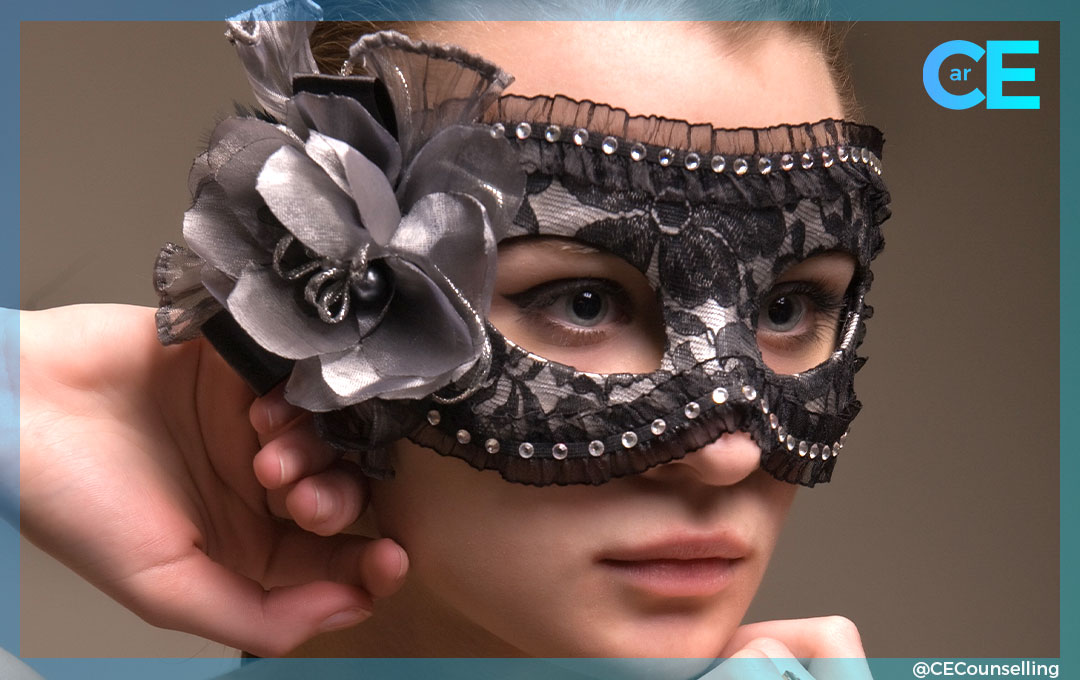
How to unmask and discover who you really are

How to Unmask and Discover you really are

Unmasking and discovering who you really are is a deeply personal and transformative journey. It involves peeling away layers of societal expectations, inherited beliefs and fears to reveal your authentic self.

Here are a few steps to help discover and understand the layers to peel them away:

  1. Self-Reflection

    • Ask yourself deep questions: Take time to reflect on who you truly are, outside of external influences. What are your values, passions and desires? What do you love doing when no one is watching?
      • Suggested questions:
        • What happened today that bought me joy?
        • What happened today that made me anxious?
        • What jobs/tasks did I enjoy?
        • What jobs/tasks frustrated me?
    • Keep a journal: Write down your thoughts and feelings regularly. This can help you understand your true nature over time.
    • Identify your masks: Notice how you behave in different situations. Are you pretending to be someone you’re not to fit in or avoid conflict?
  1. Let Go of External Expectations

    • Release the need to please others: Often, we wear masks to conform to what others expect of us, whether it’s our family, society, or friends. Start letting go of the idea that you need to meet everyone else’s expectations to be happy.
    • Embrace your individuality: Understand that it’s okay to be different. Be proud of who you are and discover that your unique qualities are what make you special.
  1. Confront Your Fears

      • Face your insecurities: Fear often causes us to hide parts of ourselves. Identify the fears that make you put on a mask. Perhaps it is fear of rejection, failure, or judgment? Confronting and overcoming these fears can help you discover your authentic self.
      • Step out of your comfort zone: Don’t let your comfort zone become your cage. Take small risks by expressing yourself in ways that feel vulnerable but true. This could be through sharing your real thoughts, trying new things, or speaking up for what you believe in. When you do this notice how you feel.
  1. Cultivate Self-Compassion

    • Accept yourself fully: Self-acceptance is crucial in the journey of unmasking. Understand that you are human and it is okay to have flaws and imperfections. Treat yourself with kindness, compassion and patience.
    • Forgive yourself: We all make mistakes. Forgiving yourself for past choices can help you move forward with a clearer sense of who you are.
  1. Connect with Like-Minded People

    • Surround yourself with authenticity: Being around people who are unapologetically themselves can inspire you to do the same. Healthy relationships are built on honesty and mutual respect and these people will encourage your authentic self.
    • Seek mentors or guides: Sometimes, someone who has already gone through their own self-discovery journey can help guide and support you in your own.
  1. Practice Mindfulness and Meditation

    • Cultivate awareness: Mindfulness helps you stay present and aware of your thoughts, feelings and actions. Through mindfulness, you can recognize when you’re slipping into old patterns of behaviour or wearing a mask. Get to know yourself better.
    • Meditate for clarity: Regular meditation can help quiet the mind and let you tap into a deeper sense of self-awareness. Find what works for you to connect with your true inner self.
    1. Follow Your Passions

    • Do what brings you joy: When you’re engaged in activities that make you feel alive, you’re tapping into your true self. Pay attention to what excites and motivates you and follow those interests with an open heart.
    • Take time for creative expression: Creativity is a great way to express your true self, whether through art, writing, music, or even just daydreaming. It allows you to break free from limitations and connect with your innermost desires.
  1. Seek Professional Guidance

    • Therapy or coaching: Sometimes, the support of a therapist or life coach can help you uncover who you really are, especially if past trauma or conditioning has obscured your self-awareness.
    1. Embrace Change and Growth

    • Allow yourself to evolve: Remember that self-discovery is an ongoing process. The person you are today may not be the person you are tomorrow. Embrace growth and do not be afraid to change as you uncover more about yourself. It will be liberating.
  1. Trust Yourself

    • Listen to your intuition: Your inner voice is a guide to who you really are. Trusting your gut feelings can lead you to make choices that are aligned with your authentic self.

Remember, the journey to uncover who you truly are is not a linear path, it is a path unique to you. It is likely to be full of exploration, twists and moments of self-doubt. But every step you take brings you closer to embracing the person you were always meant to be. Enjoy the journey, it is worth and so are you.

For individual counselling I am here for you. Contact me to book an initial session and I will support you.

If you are in crisis and want immediate support please call the Samaritans who offer a free 24 hour helpline – Phone: 116 123 – Website: www.samaritans.org

Created by your local counsellor in Fleet, Caroline at Caroline Ellison Counselling – this is my experience and these are my opinions . Carpe Diem.

Seasonal Affected Disorder and how to manage it

Seasonal Affected Disorder and how to manage it

Seasonal Affective Disorder (SAD) is a type of depression which is can be experienced during the shorter days which are in the Autumn and Winter months. The days have less natural sunlight which is why we refer to them as being shorter.

Why do shorter days evoke SAD?

As the days are shorter we experience changes in light exposure. Which is believed to disrupt the body’s internal clock and lead to imbalances in certain neurotransmitters, such as serotonin and melatonin. SAD is more common here in the UK due to the long, dark winters.

What are the symptoms of SAD?

The symptoms of SAD can vary in severity but often include:

  • Persistent low mood or sadness.
  • Fatigue and low energy.
  • Difficulty concentrating.
  • Changes in appetite, often with cravings for carbohydrate-rich foods.
  • Oversleeping or difficulty sleeping.
  • Weight gain.

How to support SAD symptoms

If you suspect that you or someone you know is experiencing SAD, here are some strategies to help support and manage it:

  • Light Therapy: Light therapy, or phototherapy, is a common treatment for SAD.. Use a light therapy box that emits bright light (10,000 lux) to simulate natural sunlight. Aim for 20-30 minutes each morning. These special lights can help alleviate symptoms.
  • Outdoor Exposure: Try to spend more time outdoors during daylight hours, even on overcast days. Take walks, go for a run, or engage in other outdoor activities to increase your exposure to natural light. It is recommended that we spend at least 20 minutes a day outside to support our mental health.
  • Diet and Exercise: Maintain a healthy diet and regular exercise routine. Eating well and staying physically active can help boost your mood and energy levels. If possible, aim for at least 30 minutes of physical activity most days of the week.
  • Limit Alcohol and Caffeine: Reducing intake can help stabilize mood and energy levels.
  • Supplements: Some people find relief from SAD symptoms by taking vitamin D supplements, due to the connection between vitamin D deficiency and SAD.
  • Counselling and Psychotherapy: Talking with a counsellor can be effective in supporting and managing SAD. It can help individuals develop coping strategies and address negative thought patterns.
  • Medication: In some cases, a doctor may prescribe antidepressant medication to help manage SAD symptoms. This is usually considered when other treatments are not effective.
  • Mindfulness and Stress Reduction: Practicing relaxation techniques, meditation and mindfulness can help reduce stress and improve your overall mood.
  • Maintain a Routine: Stick to a regular schedule to help regulate your body’s internal clock. This includes consistent wake and sleep times.
  • Seek Professional Help: If your symptoms are severe or persistent, it is important to consult a mental health professional or a general practitioner (GP) who can help determine the most appropriate treatment plan for you.
  • Supportive Social Network: Talk to friends and family about how you are feeling. Their support can be invaluable during this time.

SAD is real and treatable

Remember that SAD is a real and treatable condition and seeking professional help is an important step if you or someone you know is struggling with it. Implementing these strategies can help manage symptoms and improve quality of life during the shorter days. If you’re struggling, it’s always a good idea to seek professional advice. You can start by consulting your GP or a mental health specialist to discuss your symptoms and explore treatment options tailored to your specific needs.

For individual counselling I am here for you. Contact me to book an initial session and I will support you.

If you are in crisis and want immediate support please call the Samaritans who offer a free 24 hour helpline – Phone: 116 123 – Website: www.samaritans.org

Helpful Contacts

Anxiety UK – can provide advice and support for people living with anxiety, which may be related to SAD.
Helpline: 03444 775 774
Text service: 07537 416 905
Website:  https://www.anxietyuk.org.uk

CALM – The Campaign Against Living Miserably CALM is another organisation that provides listening services, information, and support for anyone who needs to talk, including a web chat service.
Telephone: 0800 58 58 58
Website: https://www.thecalmzone.net

Depression UK – is a self-help organisation made up of individuals and local groups that can provide support and information related to depression, which is a common symptom of SAD.
Website: https://www.depressionuk.org

Rethink – Rethink Mental Illness provides support and information for anyone affected by mental health problems, including local support groups.
Telephone: 0808 801 0525
Website: https://rethink.org

Written by your local counsellor in Fleet, Caroline at Caroline Ellison Counselling – this is my experience and these are my opinions. Carpe Diem.
Post Pandemic Anxiety – PPA

Post Pandemic Anxiety

When the pandemic first hit and we went into lockdown it felt surreal and I had a sense of ‘is this really happening’. During the lockdown we have had our own unique experiences and emotions evoked in lockdown are magnified. Being enclosed in our homes has given space for reflection on life and this may have released feelings suppressed through the distraction of life. Continue reading “Post Pandemic Anxiety – PPA”